Can You Chip Seal a Parking Lot?
Chip seal works on some parking lots and fails on others. Where it holds up, what it means for striping, and how it differs from seal coating.
Short answer: yes, on the right lot. On the wrong lot it will look rough fast and cost you more than doing it properly the first time.
We hear this question from churches, storage yards and property managers sitting on a lot that is too big to repave and too far gone to just seal. Chip seal is a real option in that spot. It is not a universal one. Here is where the line falls.
What chip seal actually is
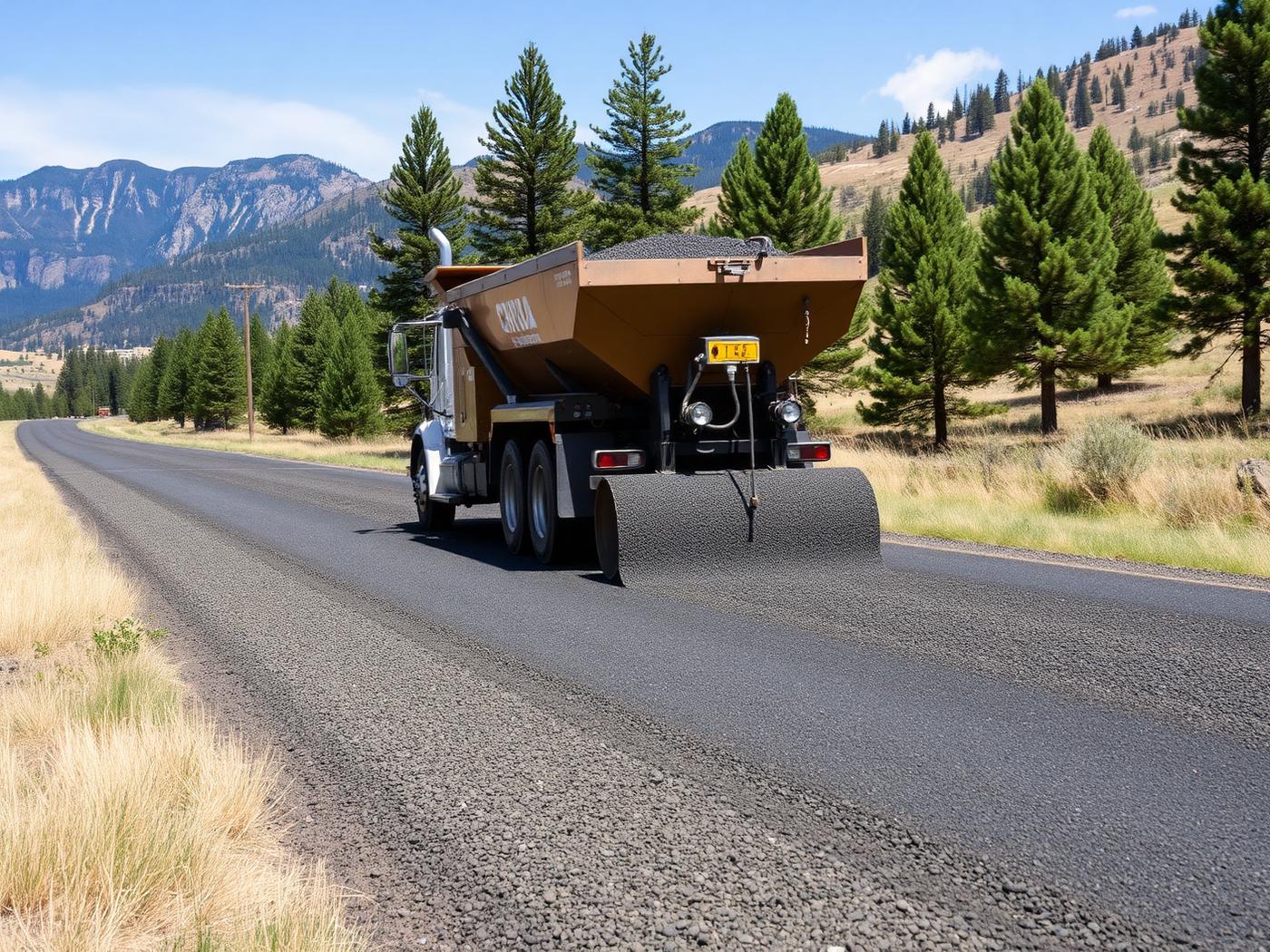
Chip seal is asphalt oil sprayed onto the surface and immediately covered with aggregate, then rolled so the chip embeds into the oil. You end up with a paved, dust-free, all-weather driving surface that usually costs less than a full hot mix mat.
It is a surface treatment, not a structure. It does not add strength. If the base underneath is soft or the lot is rutting, chip seal will show every one of those problems right back through. Fix the base first.
Chip seal is not seal coating
These get mixed up constantly, and they do almost opposite jobs. Seal coating is a thin liquid coat over existing asphalt. It protects the surface from sun and water and makes the lot look dark and fresh. It is maintenance for asphalt that is still in decent shape.
Chip seal is oil plus rock. It builds a new wearing surface on top of what is there. It is textured and lighter in color, and it is a rescue for a surface past the point where sealing helps, or a first real surface for a gravel lot.
Where chip seal works on a parking lot
Overflow and employee lots: low turnover, low visibility, lots of square footage. Church and event lots that are used hard a few days a week. Storage, equipment and industrial yards where dust control matters more than appearance. Gravel lots getting their first real surface, which stops the washboarding and dust and sheds water instead of holding it. Long entry drives and access roads into a commercial site.
Where it does not work
High-turnover retail. Cars turning their wheels while stopped scuff and tear chip seal at the pivot point, so busy lots show wear at stall entrances. Drive-thru lanes, for the same reason. And anywhere the finish is the point. Chip seal reads as a road surface, not a showroom lot.
The striping trade-off
Chip seal is a rough, open surface. Traffic paint sinks into the texture, the lines read softer, and they wear faster than on smooth asphalt. That is manageable on an overflow lot with a handful of stalls. It is a real problem on a lot carrying a full ADA layout, fire lanes and arrows, because those markings are compliance items. Plan on restriping more often, and get that spelled out in the bid. If your lot depends on required markings, asphalt with proper striping is often the better long-term answer.
Why ask now, in the off-season
Chip seal needs warm weather to cure, so it is a warm-season application in Colorado. Commercial pavement work, though, gets budgeted months before it gets built. Getting a written bid in front of your board or owner over the winter is how the work happens next season instead of getting pushed another year.
If you are weighing chip seal against seal coating or a full asphalt overlay, tell us what the lot is doing and we will tell you which one fits. Homeowners with long drives can also read our piece on chip seal for private roads.
Ready to pave or protect your lot?
Paving, chip seal, seal coating, crack filling and striping across Colorado — free written estimates.